Sub-Zero Wine Storage Repair
Dual-Zone Wine Specialists in Seattle
Sub-Zero wine storage repair in Seattle. Dual-zone units with vibration-dampened racks and UV glass, compressor-based cooling. OEM parts, same-day service.
- Licensed & Insured
- Same-Day Service
- Genuine OEM Parts
- Warrantied Repairs
Wine storage lives or dies on stable temperature and humidity, so a zone drifting a few degrees is worth taking seriously before a collection is at risk, and we diagnose the exact zone and its sensor rather than the whole cabinet. We service dual-zone Sub-Zero wine units across Seattle, usually the same day. Call (425) 532-3360. Our service call fee is $89, applied toward the completed repair.
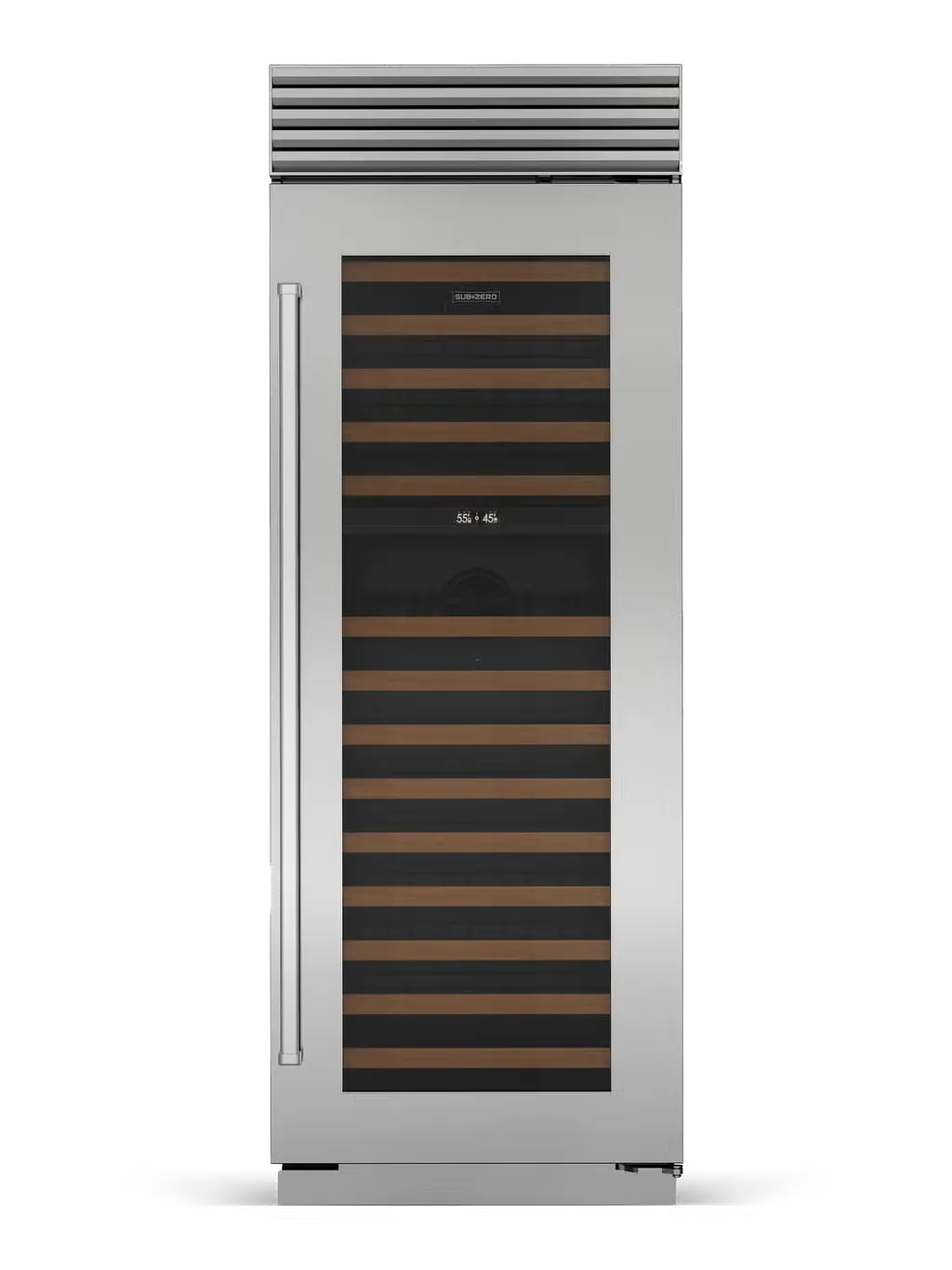
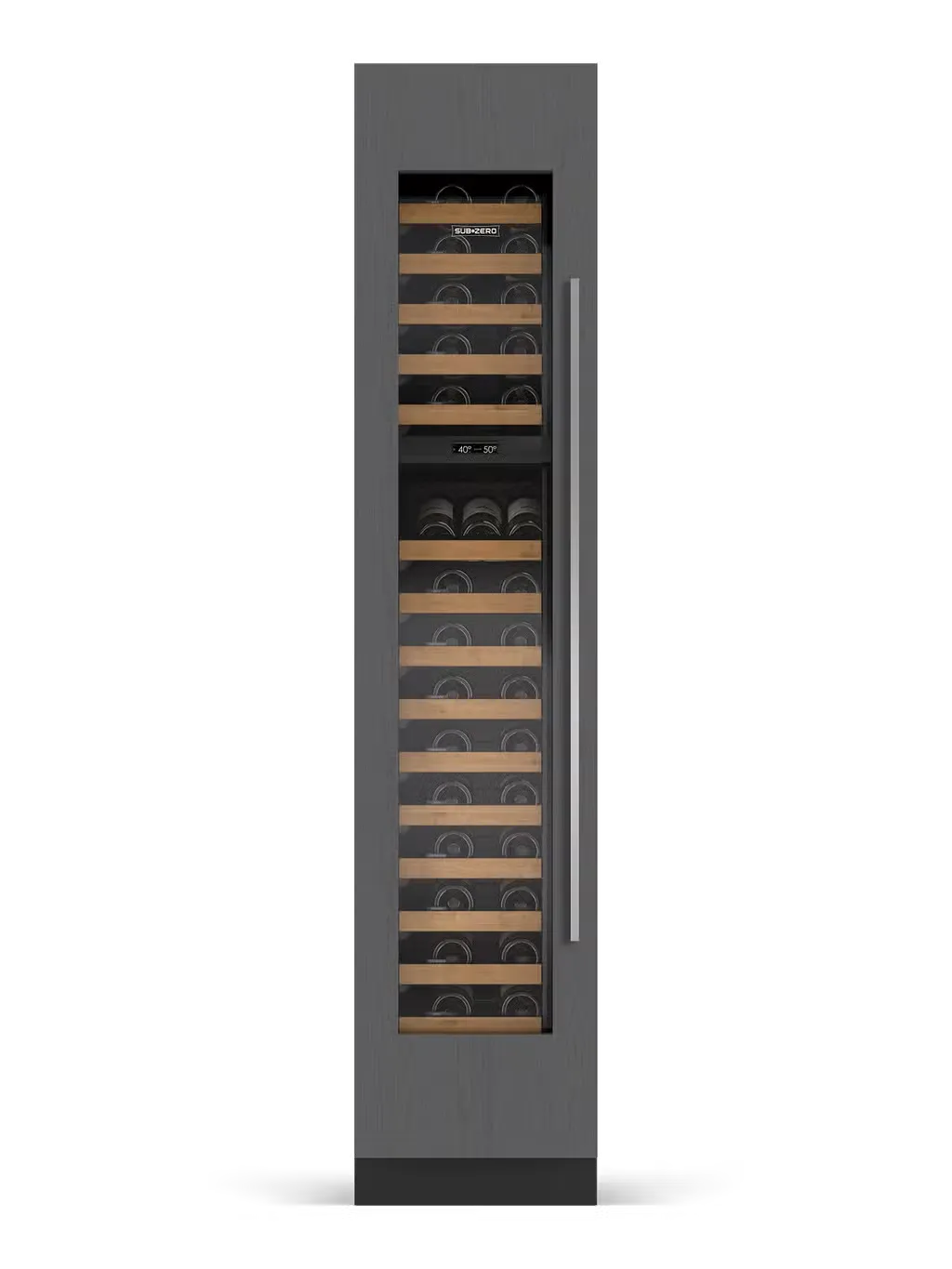
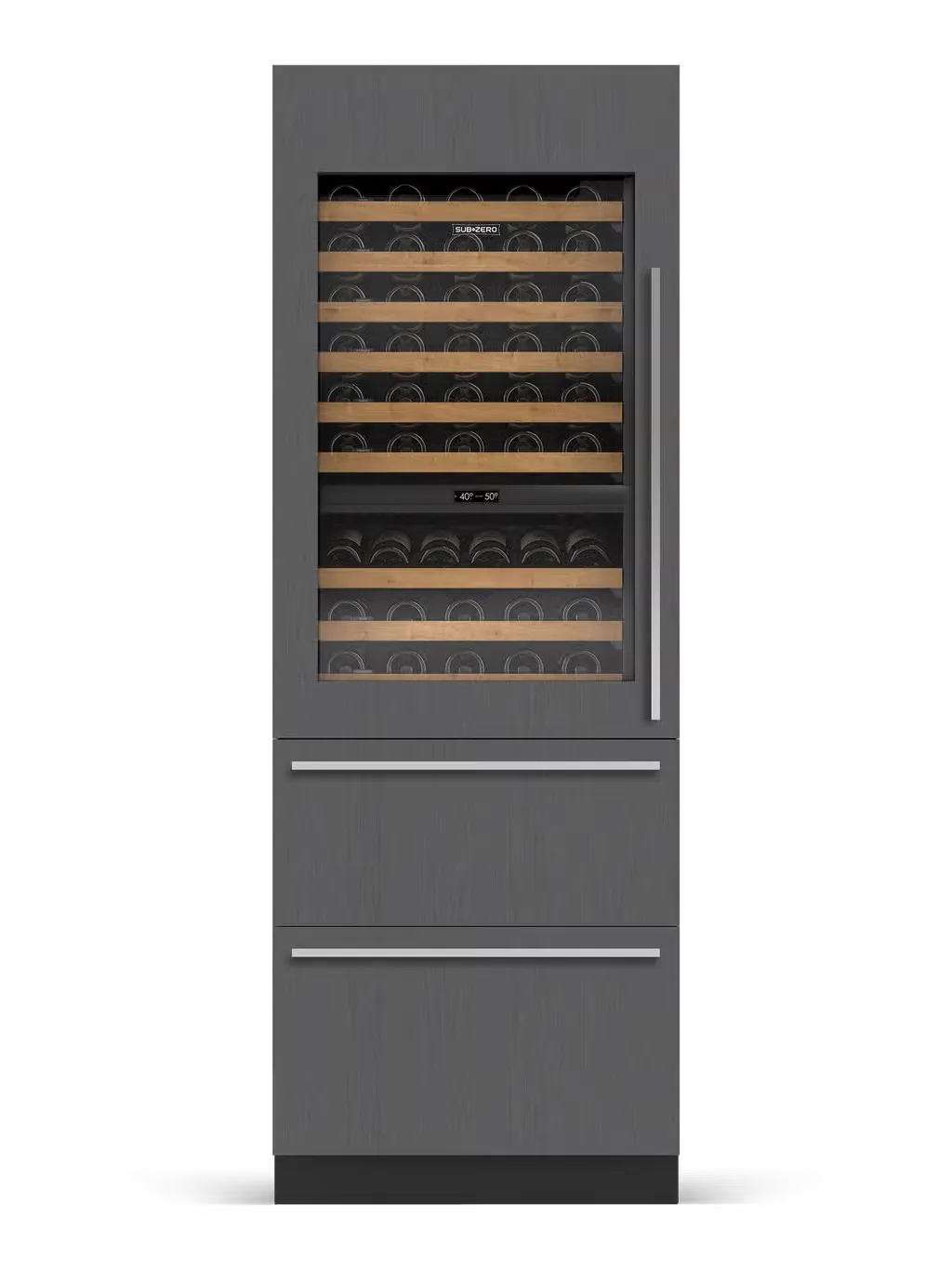
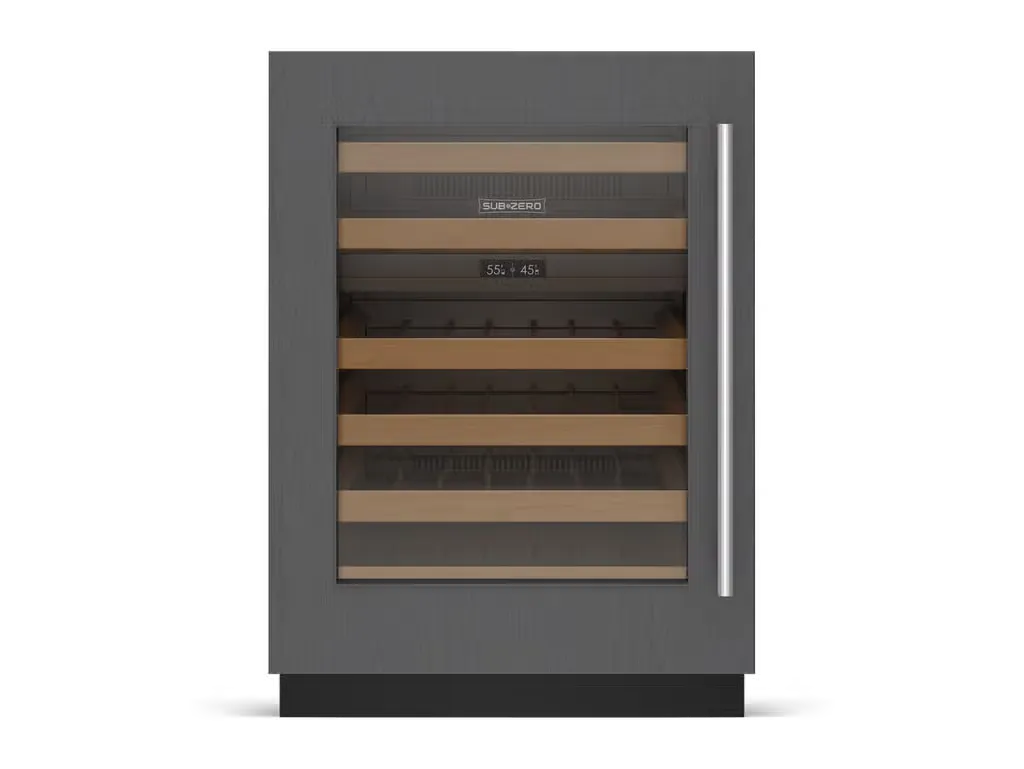
Sub-Zero wine storage is built to a different brief than a refrigerator: not the coldest possible cabinet, but the steadiest one. The units run compressor-based cooling rather than the thermoelectric cooling many competitors use, which is exactly why a Sub-Zero holds its set point in a warm room where a thermoelectric unit drifts. The lineup runs from the legacy 424 and 427 through the 430 and the current integrated IW-series, most offering dual zones so reds and whites can be held at their own temperatures in one cabinet.
Three things make wine storage its own service specialty. The racks ride on vibration-dampened mounts, because the constant micro-vibration that a refrigerator ignores will, over years, disturb the sediment in a fine bottle. The door glass is UV-treated to shield the wine from light that fades and cooks it. And humidity is managed deliberately toward a level that keeps corks supple, rather than dried out as they would be in a regular fridge. A wine unit that cools perfectly but has lost its humidity control has still failed at its actual job.
Dual-zone units add a second cooling zone with its own sensor and damper, and most of the calls we get are a single zone drifting while the other holds. That is a targeted fault, not a dead cabinet: a sensor reading wrong, a damper stuck, or an evaporator fan for that zone slowing down. Reading which zone is off and why keeps the repair small and keeps the rest of the collection at temperature while we work.
We service the wine range with the collection in mind. A first visit reads each zone and its sensor independently, checks the compressor and the evaporator fans, verifies the door seal and UV glass are intact, and confirms the humidity system is holding before quoting, because a few degrees of drift on a full cellar is not something to leave for another week.
Models & configurations we service
The appliances we keep running
What goes wrong with wine storage units
One zone drifting while the other holds
On a dual-zone unit a single zone climbing or falling out of range is a targeted fault: a sensor reading wrong, a stuck damper, or a slowing zone fan. We read each zone independently and correct the one that is off, which keeps the working zone at temperature and the collection protected during the repair.
Humidity too low, corks drying out
Wine storage is tuned to hold humidity that keeps corks supple, not the dry air of a refrigerator. When the humidity system fails, corks dry and bottles are at risk even though the temperature looks right. We test the humidity control and door sealing, because a wine cabinet that cannot hold moisture has failed at its core purpose.
New vibration reaching the bottles
The racks ride on vibration-dampened mounts precisely to protect sediment, so a new hum or buzz through the cabinet means a worn fan bearing, a failed mount, or a compressor transmitting through a hard contact point. We find and isolate the source rather than letting constant micro-vibration work at a fine collection.
Door seal or UV glass compromised
The UV-treated glass shields the wine from light and the gasket seals the cabinet against warm room air. A failed seal drives temperature and humidity swings, and damaged glass lets light through. We check both, reseat or replace the gasket, and confirm the door pulls flush so the interior environment stays stable.
Cabinet slowly warming overall
When both zones drift up together, the cause is usually a condenser choked with dust or a tired compressor no longer holding capacity. We clean the coil first, since a blocked condenser mimics a failing compressor, then measure the sealed system to tell you which one you are actually dealing with.
Condensation or water in the base
A defrost drain that has clogged or frozen sends condensate into the cabinet base instead of the drain pan, leaving water under the bottom rack. We clear and flush the drain line and confirm it stays open, so moisture leaves the unit instead of pooling around your lower bottles.
Seattle service for your Sub-Zero
Seattle keeps serious wine, and the collections we are called to protect sit in the cellars and dining rooms of Montlake, Madison Park, Broadmoor, and Leschi. Those owners understand that a couple of degrees of drift or a failed humidity system can quietly damage a cellar worth far more than the cabinet holding it, so a wine call gets the same urgency from us as a warm refrigerator. Because Sub-Zero wine units use compressor-based cooling, they hold temperature well in a warm upstairs room, but that same compressor and its vibration-dampened racks are what we inspect closely on a service call. We carry sensors, dampers, fans, gaskets, and humidity components for the wine range, work only within the City of Seattle, and can usually reach these neighborhoods the same day.
Wine Storage — questions we hear
One zone of my dual-zone wine unit is off but the other is fine. Why?
Each zone has its own sensor, damper, and fan, so a single zone drifting is a targeted fault rather than a failed cabinet. We diagnose the affected zone on its own and correct it, which keeps the other zone holding temperature and your bottles protected.
How quickly should I call if the temperature drifts a few degrees?
Soon. A few degrees of steady drift or a humidity failure can harm a collection over days, not months, so we treat wine calls with real urgency. If you notice a zone out of range, it is worth a same-day look rather than waiting.
Is Sub-Zero wine cooling different from a regular fridge?
Yes. Sub-Zero uses compressor-based cooling, not the thermoelectric cooling in many wine cabinets, which is why it holds its set point in a warm room. It also manages humidity and vibration deliberately, and those systems are part of what we service on a wine repair.
Do you work on the older 424 and 427 wine units?
Yes. The legacy 424, 427, and 430 units are well built and worth keeping, and we stock or source the sensors, fans, gaskets, and humidity parts they need. Many have years of reliable storage left with the right repair.