Sub-Zero Built-In Refrigerator Repair
Classic Series Specialists in Seattle
Independent Sub-Zero built-in refrigerator repair in Seattle. Classic Series and BI dual-refrigeration specialists, genuine OEM parts, same-day service.
- Licensed & Insured
- Same-Day Service
- Genuine OEM Parts
- Warrantied Repairs
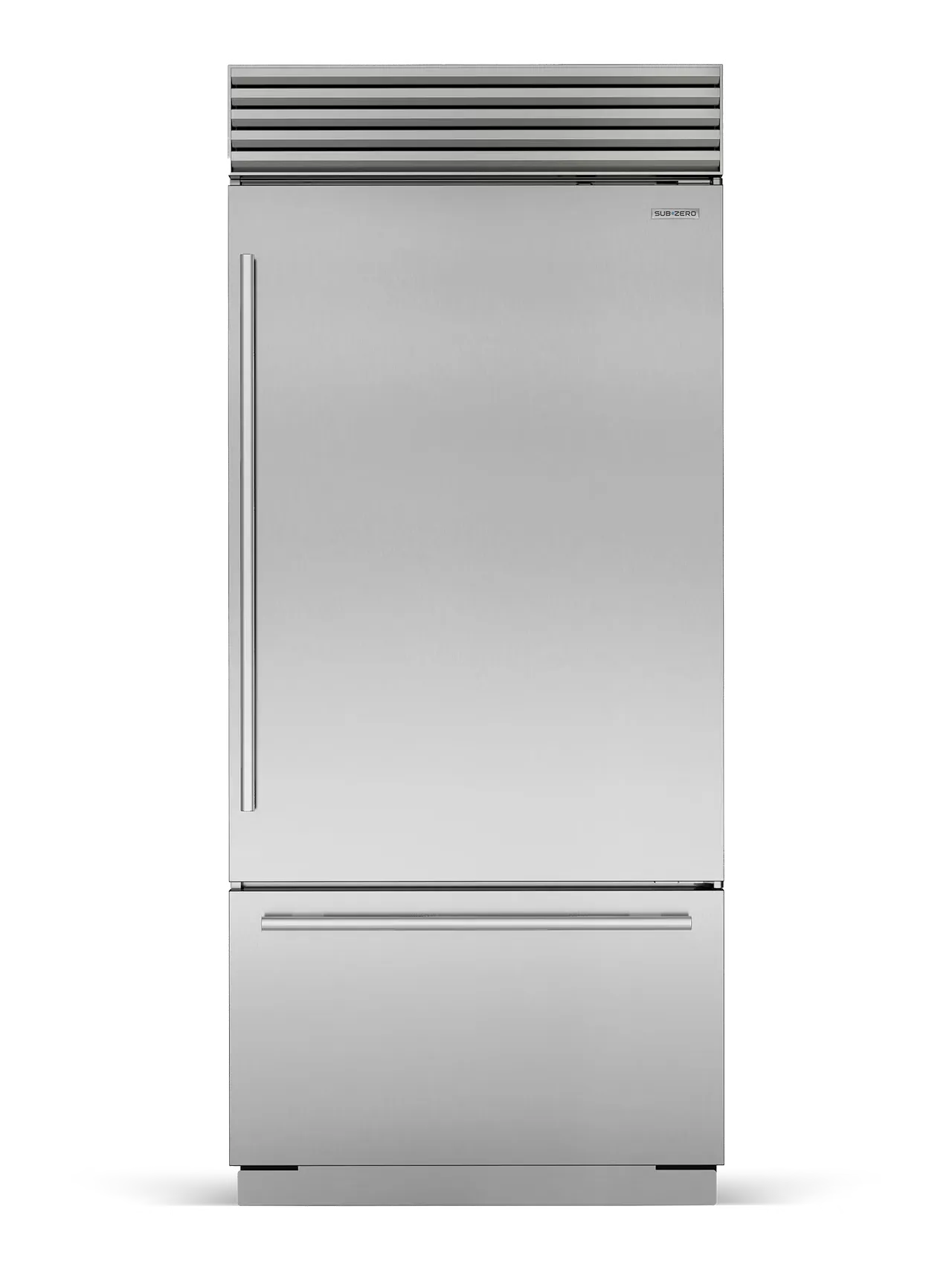
Most built-in cooling faults we see in Seattle trace back to a clogged condenser or a failing fan motor, and we carry the genuine OEM parts to correct both on the first visit. We repair every Classic Series and BI-generation built-in across the city, usually the same day. Call (425) 532-3360. Our service call fee is $89, applied toward the completed repair.
The built-in is the unit most people picture when they hear the Sub-Zero name: a flush, cabinet-depth refrigerator that stands proud of the surrounding cabinetry by little more than the thickness of its door. Sub-Zero brands the current generation the Classic Series. The outgoing generation carried the BI prefix (BI-36U, BI-42SD), and before that came the legacy 600 and 700 series that still fill kitchens all over Seattle. What connects every one of them is dual refrigeration: two entirely separate sealed systems, one dedicated to fresh food and one to the freezer, each with its own compressor, evaporator, and defrost cycle.
That twin-system design is the reason a built-in holds humidity and keeps produce for weeks longer than an ordinary refrigerator, and it is also what makes diagnosing one a two-track job. A warm fresh-food compartment sitting above a solid, frozen freezer tells us the refrigerator sealed system or its evaporator fan is the problem, not the freezer. The opposite pattern points the other way. A tech who forgets there are two independent systems in the same cabinet will chase the wrong compressor for an hour.
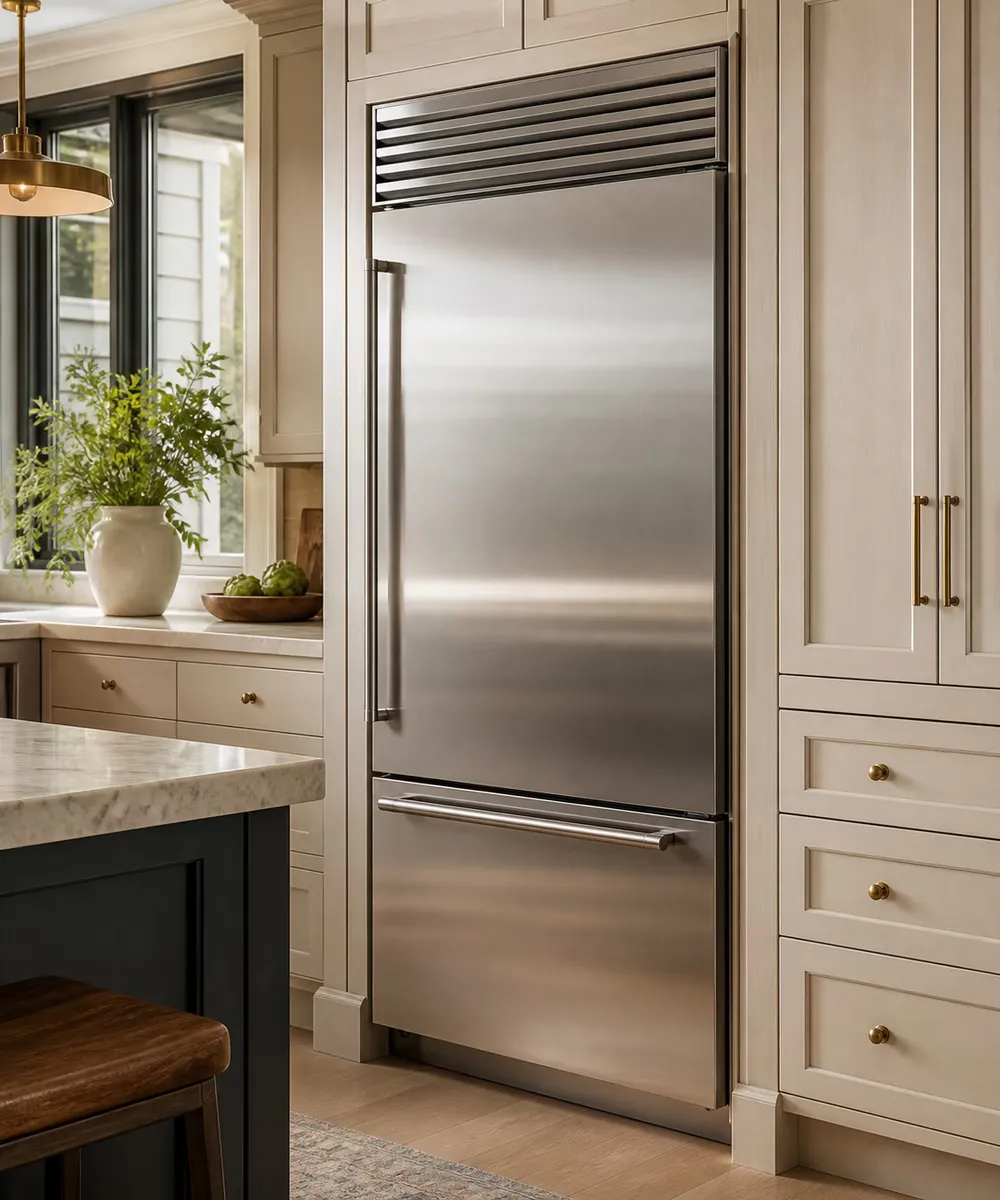
The condenser sits behind the grille at the top of the cabinet rather than underneath, which keeps it clear of floor grime but pulls a steady haul of dust and cooking film off the cabinet run above the door. That top-grille condenser is the single most common reason a healthy built-in slowly stops cooling, and it is entirely preventable with a cleaning every six to twelve months. Panel-ready doors add their own wrinkle: the face you see is your own cabinetry hung on the Sub-Zero door, so we protect custom overlay panels and true up magnetic gaskets rather than treating the unit like a bare stainless box.
We have spent close to eighteen years on these cabinets and stock the parts that actually fail on them. A first visit pulls stored error codes, checks both evaporator fans by hand, reads condenser and evaporator temperatures, and confirms whether a warm box is a fifteen-minute fan swap or a sealed-system repair. You get a straight answer and a firm price before any part goes in.
Models & configurations we service
The appliances we keep running
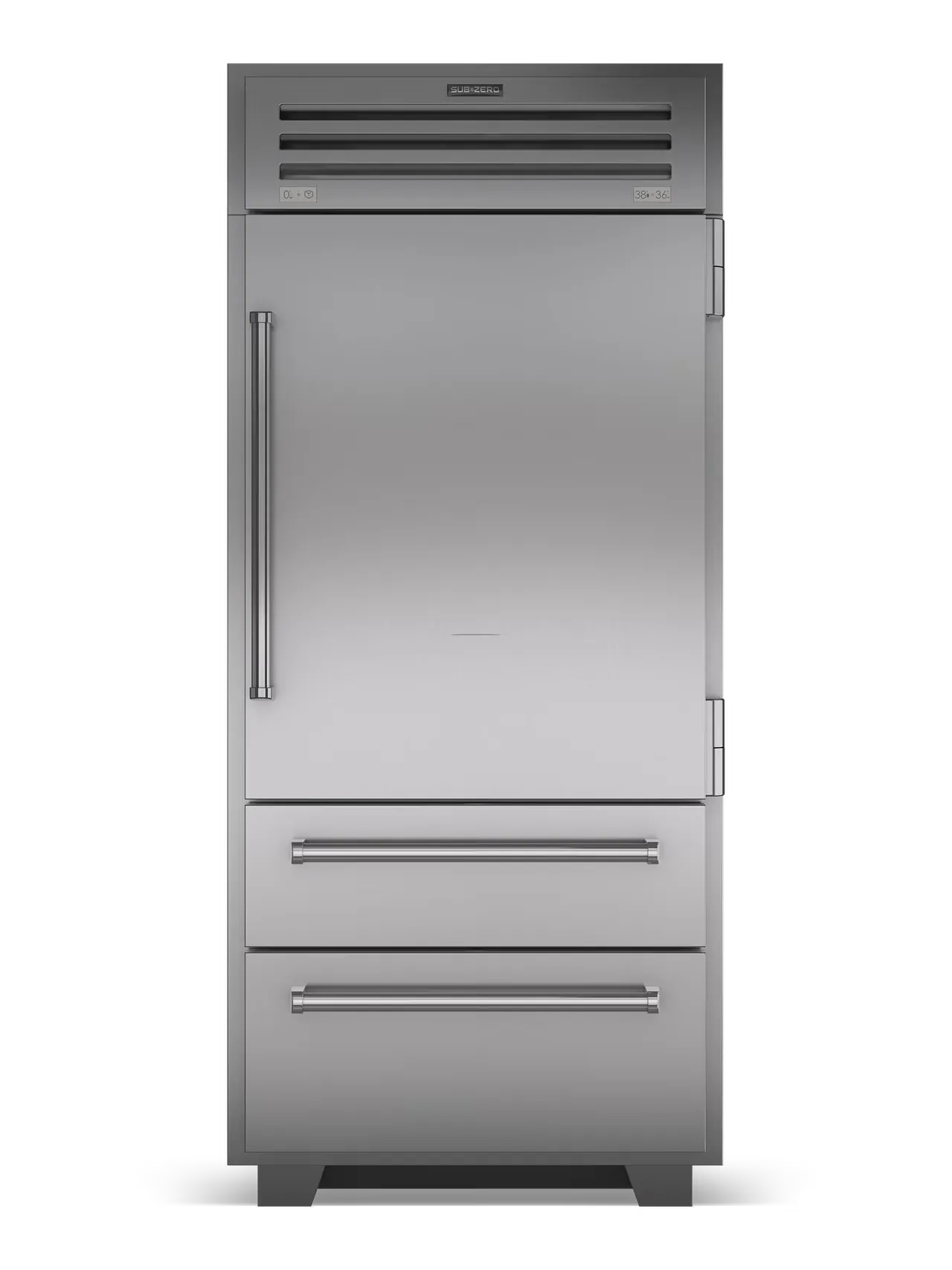
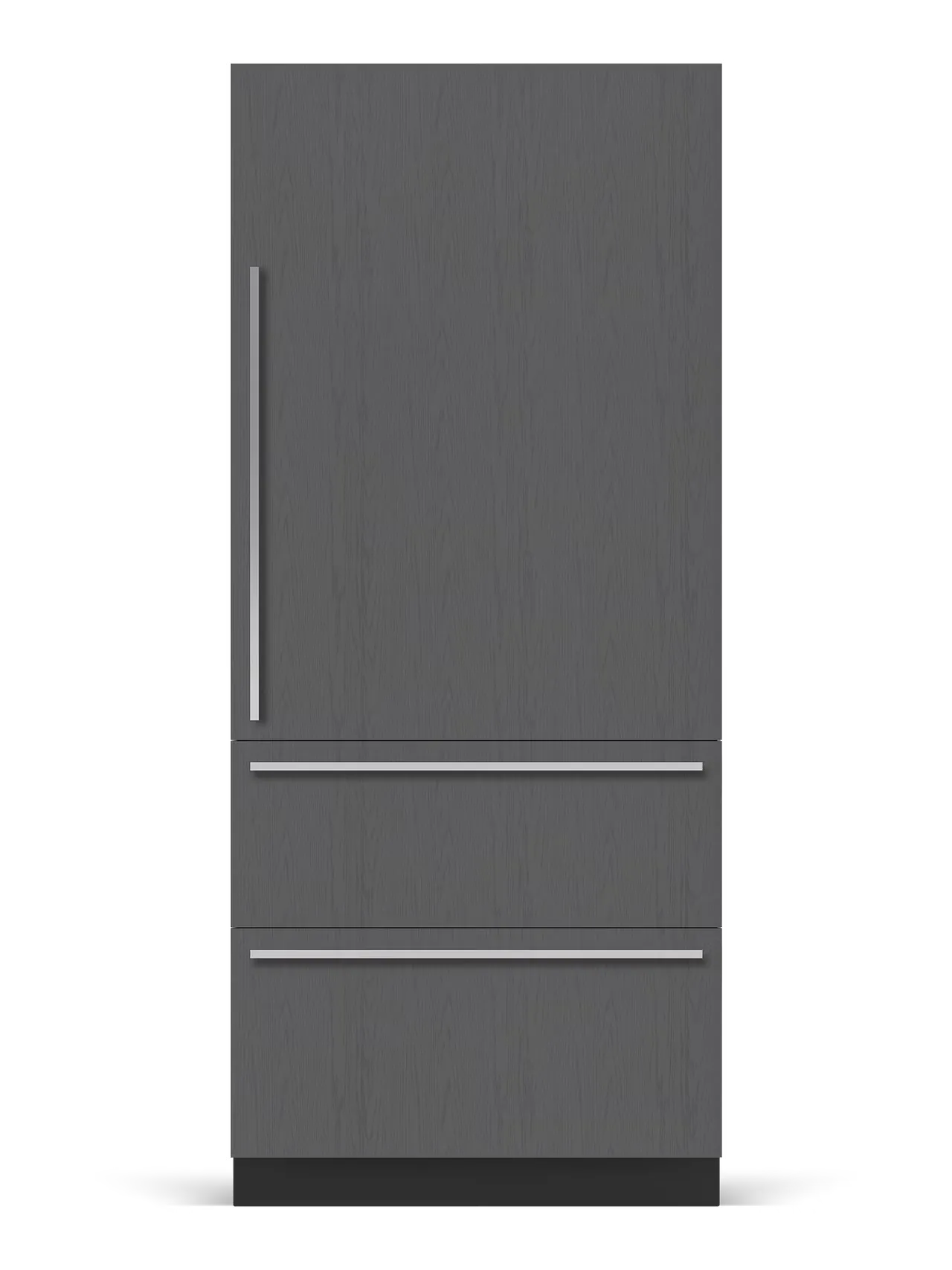
What goes wrong with built-in classic units
Warm on one side, cold on the other
The classic dual-refrigeration symptom. When the fresh-food section drifts up while the freezer stays hard, the fault lives in the refrigerator sealed system or its evaporator fan, not the compressor you can hear running. We isolate which of the two systems is short before quoting anything.
Condenser packed behind the top grille
Dust and kitchen film cake the top-grille condenser and choke heat rejection, so the compressor runs longer and cools less. It is the number one preventable cause of gradual warming on a built-in. A proper coil cleaning restores capacity and often ends a service call with no parts at all.
EC05, EC07 and EC40 fault codes
The control board logs these when it sees trouble. EC05 flags the fresh-food temperature sensor, EC07 the freezer temperature sensor, and EC40 a compressor running past its expected cycle. We read the stored history rather than clearing it blind, because the code tells us which of the two systems to open first.
Frost building on the freezer back wall
A layer of frost creeping across the rear freezer panel means the defrost heater or its sensor has quit, and the ice is now blocking the evaporator. Left alone it starves airflow until the freezer itself warms. We verify the heater, sensor, and defrost termination as a set so the fix holds.
Doors no longer sealing at the gasket
A slack or torn magnetic gasket lets humid room air leak in, which drives frost, sweating panels, and longer run times. Genuine gaskets run roughly $200 to $400 installed depending on size, and on a built-in they must seat evenly against the cabinet face to pull the door flush.
Ice maker slowing down or stopping
The freezer ice maker needs at least 40 PSI of water pressure and a clear fill tube to cycle. Low harvest usually points to a saddle valve throttling down, a frozen fill tube, or a tired water inlet valve. We check line pressure at the unit before condemning the ice maker module.
Seattle service for your Sub-Zero
A large share of Seattle built-ins we service are the original 600 and BI units installed when the big kitchens of Broadmoor, Laurelhurst, and Windermere were built or remodeled. Many have never had the top-grille condenser cleaned, which in homes near the water pulls in extra airborne grit and shortens compressor life. In tighter Capitol Hill and Queen Anne kitchens, built-ins are boxed into cabinetry with almost no breathing room above the grille, so heat rejection suffers the moment the coil starts to load up. We keep Classic and legacy parts on the van, work within the City of Seattle, and can usually reach these neighborhoods the same day rather than leaving a full refrigerator warming overnight.
Built-In Classic — questions we hear
Are you an authorized Sub-Zero dealer?
No. We are an independent repair company, not affiliated with or authorized by the manufacturer. We service Sub-Zero built-ins exclusively, use genuine OEM parts, and price honestly because we are not tied to a dealer quota. Our $89 service call is applied toward the completed repair.
How often should the condenser be cleaned?
Every six to twelve months for most Seattle homes, and toward the shorter end if you cook heavily or have pets. The top-grille condenser on a built-in loads up faster than owners expect, and keeping it clear is the cheapest way to add years to the compressor.
My built-in is over 20 years old. Is it worth repairing?
Usually yes. The cabinet, doors, and interior on a 600 or BI unit outlast the mechanicals, and a sealed-system repair can add another 10 to 20 years for a fraction of a replacement. We give you the honest repair-versus-replace math before you spend anything.
Do you carry parts for the older BI and 600 series?
Yes. Evaporator and condenser fan motors, defrost heaters, sensors, control boards, and gaskets for the BI, 600, and 700 series are parts we stock or source quickly. Legacy units are the bulk of what we repair in Seattle, so we plan for them.
Can you come the same day?
Most days, yes, within the City of Seattle. A built-in holding a full load of food is a priority, so if you call early we will try to reach you before anything spoils.