Sub-Zero Outdoor Refrigeration Repair
Weather-Sealed Units in Seattle
Sub-Zero outdoor refrigerator repair in Seattle. Weather-sealed outdoor units, beverage centers and ice makers for the wet Northwest. Same-day service.
- Licensed & Insured
- Same-Day Service
- Genuine OEM Parts
- Warrantied Repairs
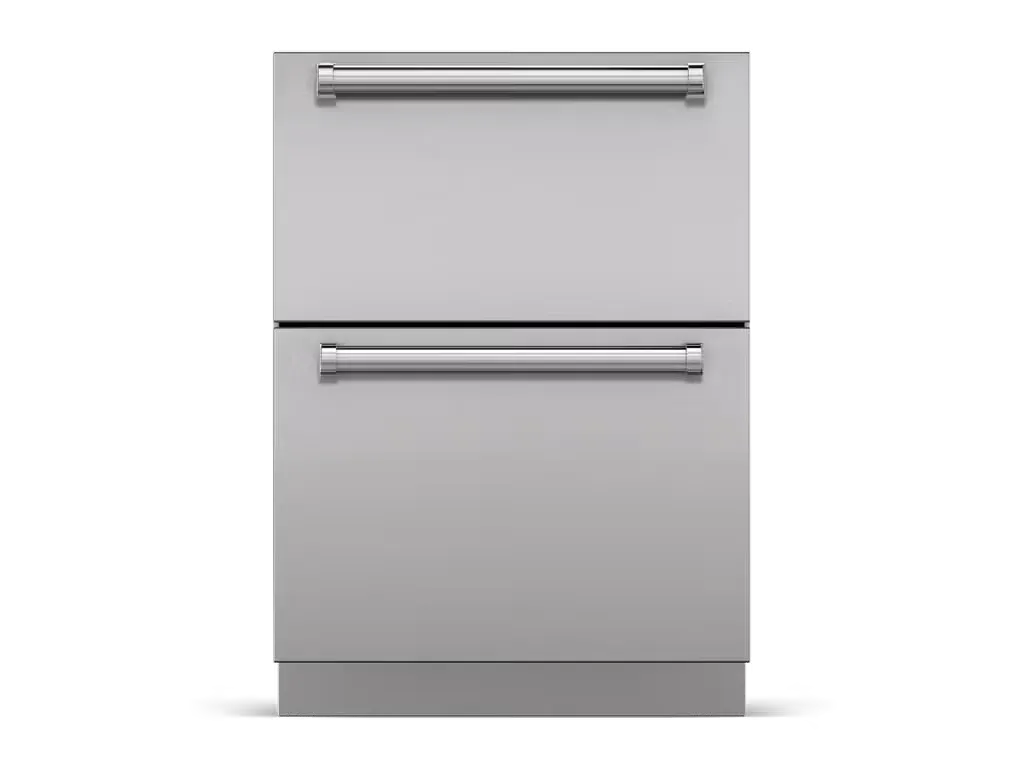
Outdoor units fight higher ambient heat in summer and constant damp the rest of the year, so condensation, corrosion, and a straining condenser cause most of the faults we find. We repair weather-sealed outdoor refrigerators, beverage centers, and ice makers across Seattle, usually the same day. Call (425) 532-3360. Our service call fee is $89, applied toward the completed repair.
Outdoor Sub-Zeros are the weather-sealed cousins of the undercounter line, built to live in a covered kitchen, a deck bar, or a poolside island. They carry an O designation on the model (UC-24RO for an outdoor refrigerator, UC-24CO for a beverage center, UC-15IO for an ice maker) and add sealed electronics, corrosion-resistant hardware, and heavier insulation to survive conditions that would kill an indoor unit. Underneath they run a single compact sealed system that has to work harder than any indoor refrigerator.
The reason they work harder is ambient load. An outdoor unit has to hold 38 degrees inside while the air around it swings from a damp 45 in winter to the high 80s on a July afternoon, and the hotter the surrounding air, the less heat the front-breathing condenser can shed. Owners choose outdoor units for the convenience of not running back inside, and that convenience puts the refrigeration in the worst thermal environment a Sub-Zero ever sees.
In Seattle the bigger enemy is not heat but water. Months of damp air, wind-driven rain, and salt off Puget Sound work at every seal, connector, and metal surface. Condensation forms where warm interior air meets a cold weather-sealed cabinet, and corrosion attacks the condenser fins, the grille, and electrical terminals that an indoor unit never has to worry about. A weather-sealed unit is only weatherproof as long as its gaskets and seals are intact, and those are exactly what we inspect first.
We service the outdoor range with the Northwest climate in mind. The first visit checks the door and cabinet seals, inspects the condenser and terminals for corrosion, clears any condensate drainage, and tests the sealed system under real ambient load before quoting, because an outdoor unit that struggles in August may be perfectly healthy other than a blocked, corroded coil.
Models & configurations we service
The appliances we keep running
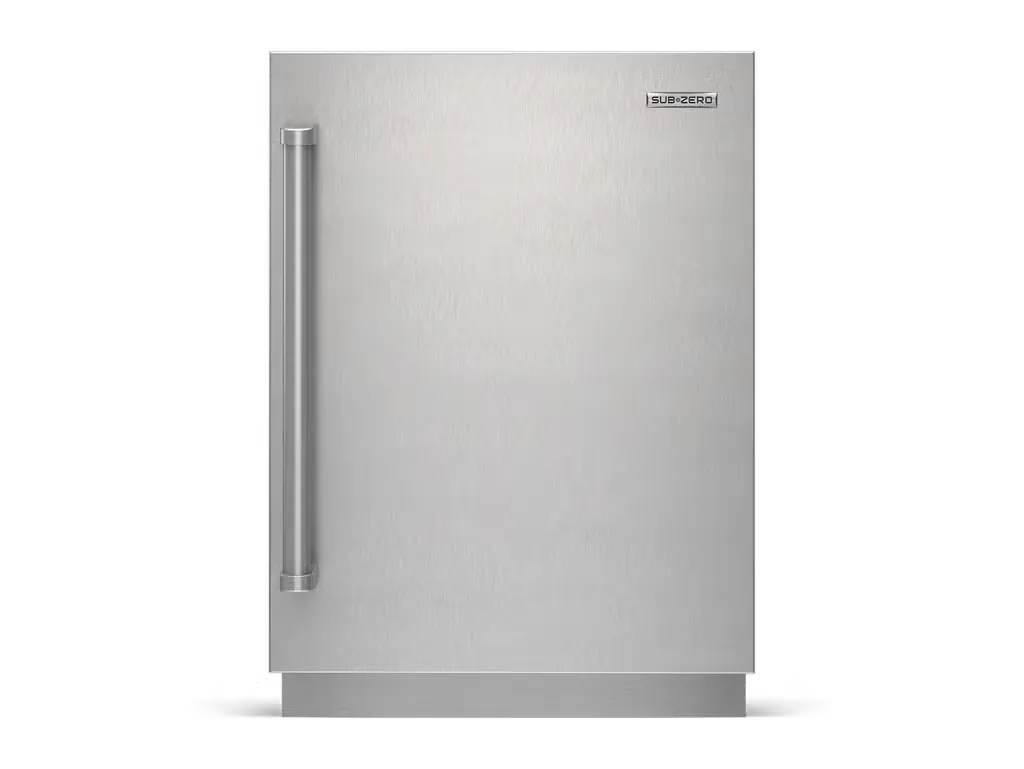
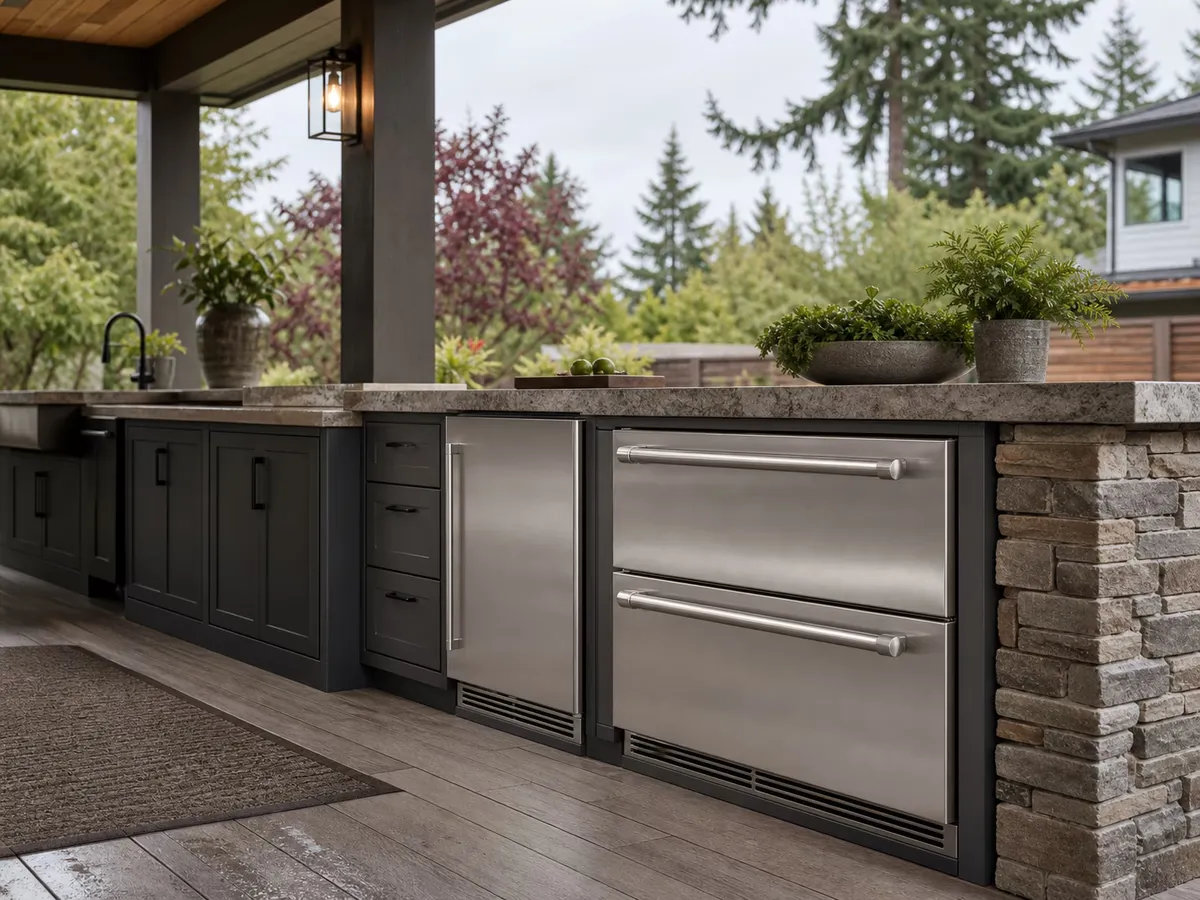
What goes wrong with outdoor units
Struggling to hold temperature in summer heat
On a hot afternoon the ambient load climbs and a corroded or blocked condenser cannot shed enough heat, so the cabinet warms. It is often not a sealed-system failure at all. We clean and inspect the coil and test the unit under real outdoor conditions before quoting anything deeper.
Condensation and interior sweating
Warm, humid outdoor air meeting the cold weather-sealed interior drives condensation on the walls and door. When gaskets weaken, the problem worsens fast. We check and reseat the seals so the cabinet stays sealed against the damp, which is the root of most outdoor moisture complaints.
Corrosion on the condenser, grille, and terminals
Months of Northwest damp and salt air pit the condenser fins and attack electrical terminals that an indoor unit never faces. Corroded connections cause intermittent faults and poor heat rejection. We clean and treat the affected hardware and replace terminals that have gone too far to hold a reliable connection.
Outdoor ice maker slow or freezing up
A UC-15IO needs at least 40 PSI and a fill line that has not frozen in a cold snap. Outdoor supply lines are more exposed, so a frozen or throttled line is a common cause of no ice. We check pressure and inspect the line routing for cold exposure before condemning the ice maker.
Drainage backing up in the enclosure
Condensate and ice-maker melt water have to drain out of the cabinet, and in an outdoor island the line is exposed to debris, insects, and freezing. A clogged or frozen drain overflows into the enclosure. We clear the drain path and confirm it runs clean under load so water leaves the unit properly.
Electronics faulting after wet weather
Even sealed outdoor electronics can fault when a gasket fails and moisture reaches a board or connector. Intermittent alarms and dropouts after a wet stretch point there. We trace the moisture intrusion, dry and reseal the affected area, and replace components that water has already compromised.
Seattle service for your Sub-Zero
Outdoor Sub-Zeros in Seattle earn their weather sealing. We service them on the waterfront decks of Laurelhurst and Windermere, the bluff-top outdoor kitchens of Magnolia, and the covered patios of West Seattle and Mount Baker, where a unit faces salt air off the Sound and eight or nine months of steady damp every year. That climate attacks seals and corrodes condensers far faster than the manufacturer’s hot-weather test states assume, so the failures we find here skew toward moisture and corrosion rather than worn-out compressors. We inspect the weather sealing and the electrical terminals on every outdoor call, carry the corrosion-prone parts these units need, and keep our work inside Seattle city limits, so we can reach a waterfront or hillside outdoor kitchen and repair it the same day before the next rain.
Outdoor — questions we hear
My outdoor fridge only struggles on hot days. Is it failing?
Not necessarily. Outdoor units fight high ambient heat, and a corroded or blocked condenser simply cannot shed enough of it when the air is warm. Often a coil cleaning and inspection restore normal cooling, so we test under real conditions before assuming a sealed-system problem.
Does Seattle’s wet weather really affect an outdoor unit?
Yes, more than the heat does. Constant damp and salt air corrode the condenser and terminals and work at the gaskets, which is why we inspect the weather sealing and electrical connections first on any outdoor repair. Keeping the seals intact is what keeps the unit reliable.
Can an outdoor unit be repaired in place on the deck or patio?
In most cases, yes. We service the sealing, condenser, drainage, ice maker, and electronics on site within Seattle. If corrosion has gone deep into the hardware we will tell you honestly what is worth repairing and what is not.
The outdoor ice maker stopped in a cold snap. Why?
Outdoor water lines are exposed, so a frozen or throttled fill line is a common cold-weather cause of no ice. We check pressure and inspect the line routing for cold exposure, then correct the supply rather than replacing an ice maker that is working fine.